
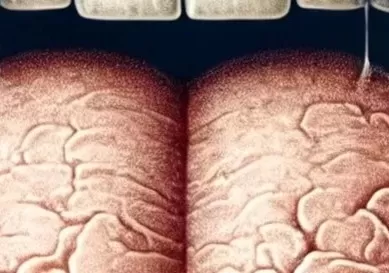
Dry Mouth overview
What is Dry Mouth (Xerostomia) and Why It Matters During Menopause
If you have ever woken up feeling as though someone swapped your tongue for a piece of sandpaper, you have already had a small taste of what dry mouth – or xerostomia – can be like. During menopause, that parched sensation is more than a passing inconvenience. It is a common but under-discussed symptom that can affect everything from your comfort to your long-term oral health.
Understanding Xerostomia: More Than Just Thirst
-
Xerostomia is the medical term for reduced saliva production, which can lead to a dry, sticky feeling in the mouth.
-
Saliva is not just there to keep things moist – it helps protect teeth from decay, aids digestion, and keeps your mouth comfortable.
-
Unlike the temporary dryness you get from a long run or a salty takeaway, menopausal dry mouth can be persistent, often worsening at night or early in the morning.
Why Menopause Can Trigger Dry Mouth
-
Falling oestrogen levels during perimenopause and menopause can affect mucous membranes, including the salivary glands.
-
Hot flushes, night sweats, and hormonal changes can increase dehydration risk, compounding the problem.
-
Many women in this stage of life are also prescribed medications – such as antihistamines, antidepressants, or blood pressure tablets – that can have dry mouth as a side effect.
If you have ever tried to hold a conversation while feeling as though your cheeks were lined with tissue paper, you will understand how much it can affect confidence and daily life. Left unmanaged, dry mouth is not only uncomfortable – it can lead to gum disease, bad breath, and difficulty eating certain foods.
It is worth knowing that you are not alone and that this symptom is well-recognised in clinical guidance. In fact, organisations like the British Menopause Society note dry mouth as a significant oral health concern in midlife women.
The Science: Hormones, Saliva, and Your Mouth
Hormones influence far more than mood and temperature – they play a key role in how your body maintains healthy tissues, including the ones inside your mouth. When hormone levels shift during perimenopause and menopause, the ripple effects can reach your salivary glands, subtly altering the amount and quality of saliva they produce.
How Oestrogen Affects Saliva Production
-
Oestrogen helps regulate blood flow and maintain the health of mucous membranes, including those in the mouth.
-
Salivary glands have hormone receptors, meaning they respond directly to hormonal changes.
-
When oestrogen levels drop, these glands may produce less saliva, and the composition of that saliva can change, becoming less effective at neutralising acids and protecting teeth.
The Compounding Factors That Make Dry Mouth Worse
-
Medications such as antidepressants, antihistamines, and certain blood pressure drugs can reduce saliva production.
-
Lifestyle habits – high caffeine intake, alcohol consumption, smoking – can dry the mouth further.
-
Chronic stress, common during midlife transitions, can also influence saliva flow through its impact on the nervous system.
Think of saliva as your mouth's built-in cleaning and protective system. When production slows down, you are left without that constant gentle rinse that clears food particles and bacteria. Over time, this can make teeth more vulnerable to decay and gums more prone to inflammation.
Understanding this connection means dry mouth is not just something to put up with – it is a sign your body is adapting to hormonal change and may need extra support.
Recognising the Signs and Symptoms
Dry mouth during menopause can creep in quietly. At first, you might simply feel a little parched when you wake up, or you might notice that you are drinking more water during meetings. But over time, the symptoms can become more persistent – and they are not always limited to thirst.
Spotting the Everyday Clues
-
A sticky or rough feeling in the mouth, especially on waking.
-
Difficulty swallowing dry foods, like crackers or toast, without sipping water.
-
A persistent sore or scratchy throat, even without a cold.
-
Changes in taste – sometimes metallic, sometimes just dulled.
-
Bad breath (halitosis) that lingers despite regular brushing.
Beyond Discomfort: Related Oral Health Concerns
-
Increased risk of gum disease, as saliva helps control harmful bacteria.
-
Higher likelihood of tooth decay, as saliva’s natural buffering action is reduced.
-
Greater chance of oral infections, such as thrush (oral candidiasis), which can cause burning or white patches.
If you have ever tried to enjoy a slice of crusty bread only to feel it cling to your mouth like cardboard, you will understand how much saliva matters. The frustration is not just about physical comfort – it can affect your enjoyment of food, social confidence, and even your willingness to speak up in a crowded room.
The earlier you recognise these signs, the sooner you can take steps to manage them and protect your oral health.
How to Manage Dry Mouth During Menopause
The good news is that dry mouth during menopause is often manageable with the right combination of daily habits, lifestyle adjustments, and, when needed, medical support. Small, consistent changes can make a surprising difference to your comfort and oral health.
At-Home Relief Strategies That Work
-
Keep a reusable water bottle close by and sip regularly throughout the day – frequent, small sips are more effective than large gulps.
-
Chew sugar-free gum or suck on sugar-free lozenges containing xylitol to stimulate saliva flow.
-
Avoid excessive caffeine and alcohol, both of which can contribute to dehydration.
-
Use a cool-mist humidifier at night to keep indoor air moist, especially during winter heating season.
-
Opt for alcohol-free mouthwashes designed for dry mouth, which can soothe and lubricate without causing further dryness.
Professional Treatments and Interventions
-
Speak to your GP or dentist if dryness persists – they can assess whether medication side effects are playing a role.
-
Hormone replacement therapy (HRT) may help in some cases by restoring hormonal balance, though it is not a guaranteed solution for everyone.
-
Prescription saliva stimulants or substitutes may be recommended for more severe symptoms.
Dietary Considerations for Oral Comfort
-
Include hydrating foods like cucumber, melon, and soups in your diet.
-
Limit very salty or spicy foods if they cause irritation.
-
Balance fluid intake with electrolytes, especially if you sweat heavily from hot flushes or exercise.
Think of this as building a care plan for your mouth – much like you would for your skin during menopause. By combining simple home remedies with professional guidance, you can reduce discomfort and protect your smile in the long term.
When to Seek Further Help
Most cases of menopause-related dry mouth can be eased with home care and lifestyle tweaks. But sometimes, persistent dryness is your body’s way of signalling something more serious. Knowing when to seek professional advice can help you catch and treat underlying issues early.
Red Flag Symptoms to Watch For
-
Mouth sores or ulcers that do not heal within two weeks.
-
Severe burning sensations that disrupt eating or speaking.
-
Sudden worsening of dryness without an obvious cause.
-
Difficulty swallowing that develops quickly.
Possible Underlying Conditions
-
Sjögren's syndrome – an autoimmune condition that attacks moisture-producing glands, often causing dry eyes alongside dry mouth.
-
Diabetes – uncontrolled blood sugar levels can affect saliva production and oral health.
-
Thyroid disorders – hormonal imbalances beyond menopause can influence saliva flow.
-
Side effects from new medication – even a recently prescribed tablet for blood pressure or allergies can be the trigger.
It is worth booking a dental check-up if you have had persistent dryness for more than a couple of weeks, especially if you notice changes to your tongue, gums, or teeth. Your dentist can work alongside your GP to investigate possible causes and tailor a treatment plan.
Dry mouth might seem minor, but untreated, it can chip away at both comfort and confidence. Catching it early means you can keep your mouth – and the rest of you – feeling healthy.
Conclusion
Frequently Asked Questions
Can alcohol-free mouthwash make a difference?
Does spicy food make dry mouth worse?
Can dehydration from exercise worsen dry mouth?
Are herbal remedies useful for menopause-related dry mouth?
Can chewing gum damage teeth if you have dry mouth?
Is dry mouth ever temporary during menopause?
Should I avoid certain medications if I have dry mouth?
Can reducing stress improve dry mouth symptoms?
Does menopause-related dry mouth affect digestion?
Can dry mouth lead to other oral health problems?
Is dry mouth linked to changes in taste?
How quickly can you relieve dry mouth symptoms?
Can certain supplements help with dry mouth?
Could dry mouth be worse at night?
Are there skincare concerns linked to menopause-related dry mouth?
Can dry mouth affect the results of dental or cosmetic treatments?
Can hormone replacement therapy (HRT) help with dry mouth?
Are there specific foods I should avoid if I have dry mouth?
Practitioner information
Are you a practitioner? If you'd like to link your practice to Dry Mouth and become part of The Menopause Network, you can register as a verified specialist using the information on our specialist registration page.
Once verified, your profile can feature Dry Mouth alongside the other symptoms and treatments you support, helping patients searching The Menopause Network find you directly.