OFFER

Pore Clarifying Hydro-Matrix
For skin that is prone to breakouts or congestion, Pore Clarifying Hydro-Matrix adds a targeted exfoliating action to the same breathable hydration system.

Feeling wired but exhausted, or finding your mood and sleep less steady than they used to be, is something many women recognise, particularly during perimenopause and menopause. This SuperBotanic capsule combines two well-researched botanical ingredients, KSM-66® ashwagandha and Affron® saffron extract, in a formula designed to support stress resilience, mood and sleep quality. It won't be right for everyone, especially if you're on certain medications, so it's worth understanding what's actually in it before you decide.
This is a two-ingredient herbal food supplement, sold as vegan capsules (in pullulan shells), combining KSM-66®, a specific branded extract of ashwagandha root (Withania somnifera), with Affron®, a standardised saffron (Crocus sativus) stigma extract. It sits in SuperBotanic's "Mood & Sleep" range and is marketed as a way to reduce physical, mental and emotional stress while supporting sleep quality.
Ashwagandha is an adaptogenic herb long used in Ayurvedic practice, and KSM-66 is one of the more extensively studied branded extracts, with a number of independent randomised trials examining stress, sleep and general wellbeing. Affron is a saffron extract standardised to a specific compound content (3.5% Lepticrosalides™, according to the brand), and has its own separate body of trial evidence, largely focused on mood and sleep in adults, including some studies specifically involving women in midlife.
It's a general wellbeing supplement rather than a treatment for a diagnosed condition, and it isn't specifically formulated or licensed for menopause, though some of the underlying research has included perimenopausal and midlife women.
The product listing doesn't specify a recommended minimum course length or whether a break should be taken after a period of continuous use. Some independent sources on ashwagandha suggest cycling supplementation (for example, taking breaks after several months), as long-term safety data beyond around 12 weeks is limited, though this isn't addressed on the product page itself.
Trials on both ingredients typically run 8 to 12 weeks, and changes reported have generally been gradual rather than immediate, with modest average improvements in stress, mood or sleep scores compared to placebo, not a dramatic transformation. Results vary between individuals, and some people in these trials noticed little difference.
Evidence suggests some women may notice improvements in sleep quality, a sense of calm or steadier mood over several weeks of consistent use. What this product cannot realistically be expected to do is replace medical treatment for a diagnosed mood disorder, sleep disorder, or menopausal symptoms requiring clinical management such as HRT.
KSM-66® Ashwagandha (350mg per capsule, 700mg for the two-capsule serving)
This is a full-spectrum root-only extract of Withania somnifera. Independent randomised, placebo-controlled trials on KSM-66 specifically have looked at stress and cortisol levels, anxiety, sleep quality, and, in some studies, menopausal symptoms and quality of life in women. Effects reported in these trials are generally moderate rather than dramatic, and most trials run for 8 to 12 weeks.
Ashwagandha is generally considered well tolerated at typical doses (300–600mg/day) for a course of a few months, with mild digestive upset being the most commonly reported side effect. However, there are some safety points worth being aware of:
Affron® Saffron Extract (15mg per capsule, 30mg for the two-capsule serving)
This is a standardised saffron stigma extract. There's a reasonably substantial body of independent, peer-reviewed trial evidence on Affron specifically, including studies in adults with subclinical low mood, and at least one trial specifically in women aged 50 to 70 experiencing low mood and poor sleep, using a dose of 28mg/day, similar to the amount in this product's suggested two-capsule serving. These trials have generally reported modest but statistically significant improvements in depressive symptom scores compared to placebo, and some evidence of improved sleep in people with more pronounced sleep difficulty at the start.
Saffron extract at supplement doses is generally well tolerated in trials, with headache or mild digestive symptoms reported occasionally. As with any herbal supplement, safety data for long-term continuous use is limited, and saffron in higher (non-supplement, culinary-excess) doses is not advised in pregnancy.
Taking this alongside HRT or other medication
The product listing doesn't provide specific guidance on interactions with HRT. Given ashwagandha's potential effects on thyroid function and interactions with sedatives, and the general principle that herbal supplements can interact with prescribed medication, anyone on HRT, thyroid medication, antidepressants, sedatives, or medication for diabetes or blood pressure should speak to a doctor or pharmacist before starting this product.
Both active ingredients in this formula are branded, standardised extracts with a genuine independent evidence base, rather than unstandardised herbal powders with little research behind them. That's a meaningful point of difference in a supplement market where ingredient quality and dosing transparency vary widely. SuperBotanic states the product has been tested, and provides a certificate of analysis, which supports transparency, though we haven't independently verified the contents of that certificate.
The combination is a reasonable one on paper: ashwagandha's evidence base leans more towards stress and cortisol, while saffron's leans more towards mood and sleep, so together they may appeal to women looking for broader support across these overlapping areas. That said, the two ingredients haven't been trialled together as this specific combination, so the evidence relates to each ingredient individually rather than to this exact formula's combined effect.
Is this suitable for women going through perimenopause or menopause?
It may be relevant, as stress, mood and sleep changes are common during this life stage, and some of the underlying trial evidence for both ingredients includes perimenopausal or midlife women. It isn't menopause-specific or licensed as a menopause treatment, though.
Can I take this alongside HRT?
This isn't addressed by the manufacturer. Because ashwagandha can affect thyroid function and interacts with some medications, it's best to check with your GP or pharmacist before combining it with HRT or other prescribed treatment.
How long before I might notice a difference?
Independent trials on these ingredients typically run 8 to 12 weeks before improvements become measurable, so this isn't a fast-acting product. Individual response varies.
What's actually in each capsule?
Each capsule contains 350mg of KSM-66 ashwagandha and 15mg of Affron saffron extract, in a vegan pullulan capsule shell. The suggested daily dose is two capsules.
Are there any safety considerations I should know about?
Yes. Ashwagandha may affect thyroid function, can increase the effect of sedatives, and has rare case reports of liver injury with prolonged use. It isn't recommended in pregnancy. Anyone with a thyroid condition, autoimmune condition, or on prescribed medication should speak to a doctor first.
Does the evidence support the specific claims made on the product page (e.g. improved sexual function, testosterone)?
The wider list of benefits on the retailer's page (such as effects on testosterone and male sexual function) largely reflects manufacturer or ingredient-supplier marketing material and studies conducted in different populations (including male-only samples). These claims shouldn't be taken as established for this specific product or for a female menopausal audience.
How does this compare to taking ashwagandha or saffron alone?
Single-ingredient ashwagandha or saffron supplements are also available and have their own separate evidence bases. This combined formula may suit someone wanting to address both stress and mood/sleep together, but there's no direct trial comparing the combination against either ingredient alone.
Join The Menopause Network Review Panel to trial products like this one and share your honest experience with other members.
Apply to join the panel
For skin that is prone to breakouts or congestion, Pore Clarifying Hydro-Matrix adds a targeted exfoliating action to the same breathable hydration system.

Made with 100% natural, rigorously tested ingredients including Yerba Mate, Euglena, Reducose, and Mulberry Leaf Extract.
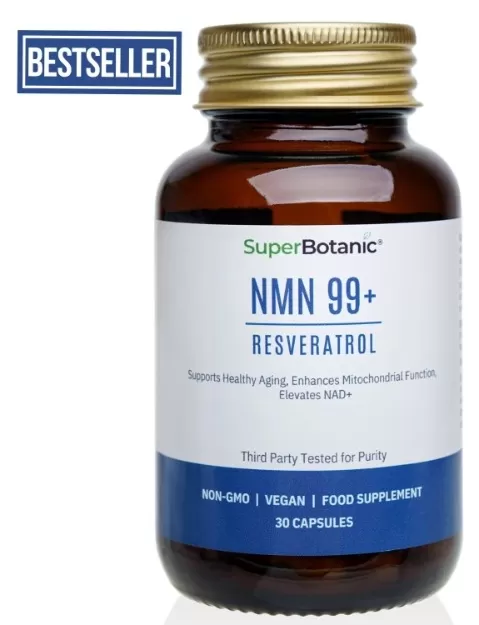
Unlock the future of cellular health with our NMN 99+ with Resveratrol, a powerful blend designed to support vitality, longevity, and cellular energy at the highest level of purity.

Developed for use immediately after procedures, it combines breathable coverage with skin-healing support,.