
Article overview
Walk into a health shop or search online for menopause supplements and the choice can quickly become confusing. Vitamin D, magnesium, collagen, omega-3, phytoestrogens and mushroom extracts are just some of the products women may encounter, often accompanied by very different claims about what they can do.
The difficulty is that supplementation is not simply a question of finding a list of the 'best' vitamins for menopause. Nutritional requirements vary between individuals, and an over-the-counter daily supplement may provide a supportive dietary dose rather than the level required to correct an established deficiency. Testing can therefore be useful when there is reason to suspect that levels of nutrients such as vitamin D, iron, B vitamins, magnesium or zinc may be low.
There is also the question of safety. Women using HRT need to consider whether supplements could influence hormone levels or the way medicines are processed. Products containing ingredients such as DHEA, phytoestrogens, certain herbs and St John's wort warrant particular consideration, while evidence for some increasingly popular supplements remains limited.
This guide looks at what to consider when choosing menopause supplements, the value of testing, what the evidence says about collagen, which supplements may need additional caution alongside HRT, and where vitamin D and mushroom supplements fit into the wider picture.
To make an informed choice, it helps to begin with what is actually inside a supplement and whether you need it in the first place.
What are the key ingredients menopausal ladies should look for in a supplement?
I asked my colleague and amazing award-winning nutritionist Kate Llewellyn-Waters, author of “The Immunity Plan” and she writes back warning of what to avoid in a supplement.
“Artificial ingredients like chemical additives are added to supplements to reduce cost, increase stability of the product, make manufacturing easier, as well making supplements taste and look better. However, they have been shown to impact health adversely and can wreak havoc to our gut health.
Titanium dioxide is one of the main chemicals that should be avoided. It is often added to make supplements look whiter. However, in 2021 the EFSA (European Food Safety Association) stated that following safety assessment titanium dioxide was unsafe due to concerns about genotoxicity (harm to our DNA and genes basically) which can lead to cancer.
It is so important to read your supplement label and look for nasties in it. If you aren’t sure what an ingredient is then it’s so worth doing research, so you know exactly what you’re putting into your body, which may be causing more harm than help. There are some very popular influencer led brands with titanium dioxide in their supplements. So, opt for the highest quality supplements you can. KLW Nutrition collagen blend - My Skin Hero - has no chemical additives at all only the highest quality marine collagen with vitamins added.”
What are your thoughts on test-based supplements?
It’s important to have all your (sex) hormones, minerals, vitamins, fatty acids like Omega 3 & Omega 6 levels tested to know if you have a deficiency or imbalance which needs correction. This includes Thyroid function, Iron, Vitamins B 6, 9, 12, Folate, Vitamin D, Iodine, Magnesium, Zinc, DHEA, Cortisol, Oestradiol, Progesterone, and Testosterone. Vitamin D is incorrectly named, it’s a hormone and is involved with your whole body and is just as important as the sex hormones!
We doctors/nurses/dieticians/nutritionists are scientists and need to be detectives. Tests enable us to gather information about you in a snapshot of overall health to see how all internal systems are functioning, including hormone pathways, gut microbiome, liver function and the synthesis of everything our body needs etc…but also your nutritional status as a deficit could be causing problems and symptoms.
What our patients, or non-medically trained people don’t understand is a ‘daily supplement’ bought over the counter generally will NOT treat a deficiency. The levels of each individual vitamin & mineral in a daily OTC vitamin is a supportive dose, NOT TREATMENT DOSE. These daily vitamins & minerals only support people with no deficiencies as a dietary supplement. Look at the label – they are called dietary supplements. This is also their licence to be a product available for sale in UK/EU.
Anything “Treatment” level does need to be initiated via a doctor, functional medicine practitioner/nutritionist/dietician with continued assessment and monitoring. This info will be gathered from blood test analysis and prescribed by a suitable healthcare practitioner who has the scope of practice to provide this service.
The truth about collagen, how effective is it really?
The jury is still out on this subject, some argue that consuming collagen isn’t worth it as the digestion process will break collagen down into amino-acids and treat it like any other protein source.
Studies suggest the best results are for Skin health with noticeable improvements to skin elasticity and hydration, but results can take up to 12 weeks to start noticing these differences. For joint pain and osteoarthritis studies show patients report significant reductions in joint pain and improvements in function. Athletes taking 10g/day collagen peptides reported less joint pain during activity.
Are all supplements safe with HRT?
Sadly no. If you take supplements like DHEA or Pregnenolone for example, this can interfere with your own endogenous production of sex hormones and lead to having elevated levels of oestrogen, progesterone or testosterone resulting in unwanted side effects and increased risks of disease.
These supplements are commonly used alongside HRT and are considered safe:
- Vitamin D – protective roles and powerful anti-inflammatory.
- Calcium– often recommended to support bone health during menopause
- Magnesium – helpful for sleep issues and cognition
- Omega-3 (fish oil) – western diets are high in omega 6, so this needs to be balanced with omega 3 – I could write a whole other article about this!
- Vitamin B complex – regulates metabolism of oestrogens and clearance of the metabolites (waste products) that have been linked to
- Collagen
These may even help with symptoms related to menopause or hormonal changes
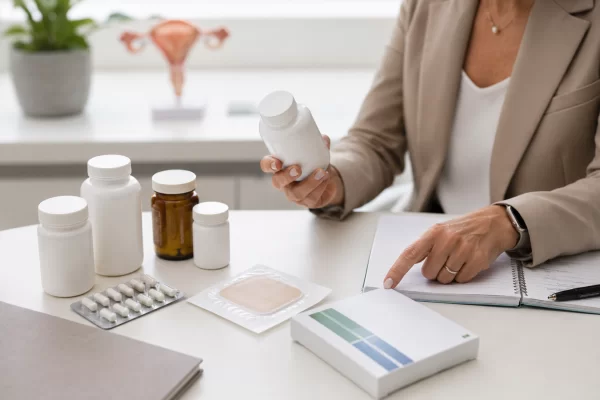
We do not have enough studies (yet) for the interactions of supplements with HRT, for example Lions Mane, ashwagandha, etc.. Some supplements affect hormone levels or liver metabolism, so caution is advised:
- Phytoestrogen supplements
Plant compounds that mimic oestrogen:
- Soy isoflavones
- Red clover
They may add to oestrogen effects if you’re on oestrogen-based HRT.
- Hormone-affecting herbs
These can influence hormones or HRT effectiveness:
- Black cohosh
- Dong quai
- Wild yam
- Chasteberry (Vitex)
Evidence is mixed and combining them with HRT is usually not recommended without medical advice.
- Supplements affecting drug metabolism
Some can change how your body processes medications:
- St. John’s wort – may reduce effectiveness of hormone medications
- Grapefruit extract – can alter hormone metabolism
Extra considerations
- If you’re using Estradiol, Progesterone, or Testosterone therapies, supplement interactions can vary.
- Transdermal HRT (patches or gels) sometimes have fewer metabolic interactions than oral forms.
- Supplements are less tightly regulated than medications, so quality varies.
Therefore don’t ‘self-medicate’ seek professional advice from a menopause specialist before commencing supplements. Some nootropics are excellent to use instead of HRT if a lady wants an alternative to HRT.
What are your thoughts on microdosing mushrooms/Mushroom supplements?
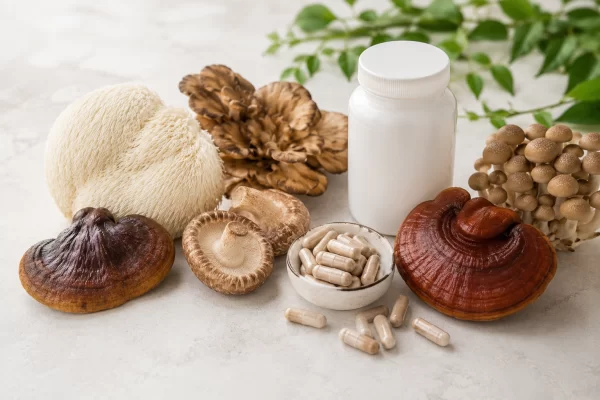
We need more human trials research to fully understand the benefits of different mushrooms like Lions Mane, Reishi, Cordyceps, Turkey tail...etc. Mushroom supplements are sold as food supplements not medicines, meaning the producers of these supplements do not need to prove their effectiveness by clinical trials before being sold. The small studies that have been done are promising, so if you trial them and it works for you, great! They are best to be considered as an adjunct wellness supplement and not a specific treatment for something.
Microdosing psilocybin, has been studied extensively in controlled studies, and papers published more recently suggests it helps with Major depressive disorder, PTSD, Alcohol misuse Disorder and Anxiety. However this treatment has to be initiated by a specialist psychiatrist.
If women have a small budget what is the one supplement you would advise them to take?
Get a really good quality vitamin D at 4000 u with K2, having a blood serum level over 120 nmol/l ensures you are receiving all the protective benefits of Vitamin D.

Adequate levels of Vitamin D help with:
Osteoporosis & osteomalacia prevention by aiding absorption of calcium.
Regulates immunity by aiding cells to produce antimicrobial peptides, and pathogen-recognition receptors.
Regulates inflammation to prevent it becoming overactive – it is a powerful anti-inflammatory.
Vit D strengthens epithelial barriers in the skin, lungs and gut making it harder for pathogens to enter the body.
Vitamin D influences the adaptive immune response and influences T cells and B cells which create targeted immune responses, this is why vitamin D is being studied greatly to understand its relationship with autoimmune diseases and protection from inflammatory responses which lead onto cancer growth.
Low Vit D levels are linked with a higher risk of infections such as influenza, Covid-19 and TB.
So get your Vitamin D tested once a year! Your GP won’t do this so invest in your health with a simple at home test kit.