
Article overview
For women living with HIV, this journey can be even more complex.
Thanks to major advances in treatment, women living with HIV are now living longer, healthier lives. With effective antiretroviral therapy, HIV is increasingly managed as a long-term condition rather than a life-limiting diagnosis. This is something to celebrate. However, it also means more women are now navigating midlife, perimenopause, and menopause while living with HIV; an area of healthcare that has historically been under recognised.
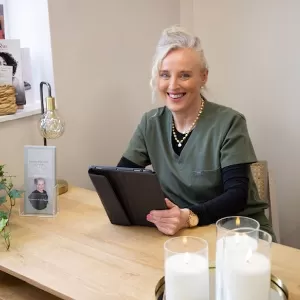
As an HIV Nurse Specialist, this is a topic I feel incredibly passionate about because I see the impact firsthand.
I regularly care for women who describe classic menopausal symptoms; hot flushes, sleep disturbance, anxiety, brain fog, low mood, reduced energy, reduced libido, and vaginal dryness, yet many tell me they feel unheard when they raise these concerns.
Sadly, some women are told that these symptoms are simply “because of your HIV” or are attributed solely to stress, medication, or ageing.
This can leave women feeling dismissed, frustrated, and unsupported.
While HIV and its treatment can absolutely influence health and wellbeing, we must be careful not to overlook menopause as a very real and significant contributing factor.
Too often, I find myself advocating for these women and helping them fight to be heard.
I believe we need to do better.
The Overlap Between HIV and Menopause
One of the biggest challenges is that many symptoms of menopause overlap with symptoms that can also be associated with HIV or its treatment.
These may include:
- Fatigue
- Poor sleep
- Brain fog or reduced concentration
- Mood changes
- Anxiety
- Low energy
- Reduced sexual wellbeing

This overlap can make it difficult to recognise what is driving symptoms.
Sometimes menopausal symptoms may be dismissed as stress, ageing, or simply part of living with HIV, meaning women may not receive the support they need.
Research supports what many clinicians and women are already seeing in practice.
The UK PRIME (Positive Transitions Through the Menopause) Study highlighted that women living with HIV often experience significant menopausal symptoms that negatively affect quality of life, mental wellbeing, relationships, and engagement with healthcare. Importantly, many women reported feeling underprepared for menopause and unsure where to seek help.
Some studies also suggest that women living with HIV may experience menopause slightly earlier than women without HIV, in some cases by two to three years, and symptoms may feel more severe.
The reasons are likely multifactorial and may include chronic inflammation, immune system changes, smoking, stress, and wider social inequalities.
Looking Beyond Symptoms
Menopause is not just about hot flushes.
It can affect identity, confidence, relationships, intimacy, and how a woman feels in herself.
This is something I feel strongly about in all areas of women’s health: we must look beyond symptoms and see the whole person sitting in front of us.

For women living with HIV, there may also be the added burden of stigma, fear of judgement, or reluctance to discuss symptoms openly.
I often think of one powerful reflection from a patient:
“I thought I was losing myself. I didn’t know whether it was HIV, menopause, stress—or all three.”
That sentence captures exactly why holistic, personalised care matters.
We must move away from a model where every symptom is automatically attributed to HIV.
Instead, we should be asking:
- Could this be perimenopause?
- Could hormonal changes be contributing?
- What support does this woman need to feel like herself again?
Those questions can change everything.
Long-Term Health Considerations
Both menopause and HIV can influence long-term health.
As oestrogen levels decline during menopause, women naturally become more vulnerable to:
- Bone loss and osteoporosis
- Cardiovascular disease
- Metabolic changes
- Changes in body composition
Living with HIV may also contribute to chronic inflammation and metabolic changes, which can further increase these risks.

This highlights the importance of taking a proactive and preventative approach to health, including:
- Regular health reviews
- Cardiovascular risk assessment
- Bone health monitoring
- Strength training and exercise
- Good nutrition
- Sleep and stress management
I always encourage women to think about health not simply in terms of disease prevention, but in terms of supporting longevity, resilience, and quality of life.
Can HRT Help?
For many women, yes.
Hormone Replacement Therapy (HRT) can be life-changing and may significantly improve menopausal symptoms and overall wellbeing.
For women living with HIV, HRT can often still be prescribed safely, but it is important to consider potential interactions with antiretroviral therapy as well as individual health risks.
This is why collaborative care matters.

When HIV specialists, GPs, menopause specialists, and pharmacists work together, women receive safer and more personalised care.
No woman should be denied appropriate menopause treatment simply because she is living with HIV.
Ethnicity, Culture and Health Inequalities
When discussing HIV and menopause, it is also vital to acknowledge the role of ethnicity and health inequality.
In the UK, women from Black African communities and other minoritised ethnic groups are disproportionately affected by HIV.
At the same time, cultural beliefs and lived experiences can significantly influence how menopause is understood and whether support is sought.

In some communities, menopause may not be openly discussed.
In others, there may be stigma surrounding:
- HIV
- Ageing
- Hormonal changes
- Sexual health
- Seeking medical support
Some women may therefore face multiple barriers at once.
These can include:
- Cultural stigma
- Racial bias within healthcare
- Language barriers
- Fear of discrimination
- Reduced access to specialist services
This can lead to delayed diagnosis, untreated symptoms, and poorer health outcomes.
As healthcare professionals, we must recognise that equitable care does not mean treating everyone the same—it means understanding that different women may need different support.
Listening matters.
Cultural sensitivity matters.
Trust matters.
No woman should feel unseen because of her ethnicity, diagnosis, or stage of life.
Moving Forward
The conversation around menopause has grown significantly in recent years, which is incredibly encouraging.
But some women remain underrepresented in research, education, and healthcare conversations—particularly women living with HIV and women from ethnically diverse communities.

That needs to change.
Women living with HIV deserve holistic care that looks at the whole person, not just their diagnosis.
They deserve clinicians who listen, ask the right questions, and recognise that symptoms may be multifactorial.
For me, good healthcare is about more than managing a condition.
It is about preserving wellbeing, dignity, confidence, and quality of life.
As healthcare professionals, we have a responsibility to advocate for women whose symptoms may otherwise be overlooked. My hope is that by raising awareness of HIV and menopause together, we can create more informed, compassionate, and culturally sensitive care pathways.
Every woman deserves to feel heard, supported, and empowered to make informed decisions about her health.
Menopause is not simply about declining hormones.
It is about wellbeing, confidence, identity, and thriving in midlife and beyond.
No woman should feel she has to fight alone to be heard.